Supporting Practice · Business Infrastructure
I didn't want to escape work. I wanted work that didn't require me to keep performing for it.
What I'm realizing is that most of us were taught to be indispensable — and we built whole careers proving it. This part of the work is quieter. It's about owning something small enough to actually hold, and letting that ownership give you back a little of the freedom your effort kept promising.
What this looks like
In real life, this practice feels like…
What I keep noticing
Most of what we call 'escape' is just a quieter version of the same trap.
Become a consultant. Become a coach. Become a freelancer. I tried versions of this. You're still trading your time for someone else's calendar. You still can't get sick without panicking.
What I'm realizing is that real freedom doesn't come from a different invoice. It comes from owning something small enough that it doesn't need all of you.
And the data agrees
Data isn't the point — but it confirms what you already feel. This isn't just you.
What this has actually looked like for us
Not a side hustle. Not a personal brand. Just something we own — that earns whether we're sitting at a desk or not. Yours might look completely different. The recognition is the same: build something that doesn't require your overfunctioning to survive.
- Buying something small that already works
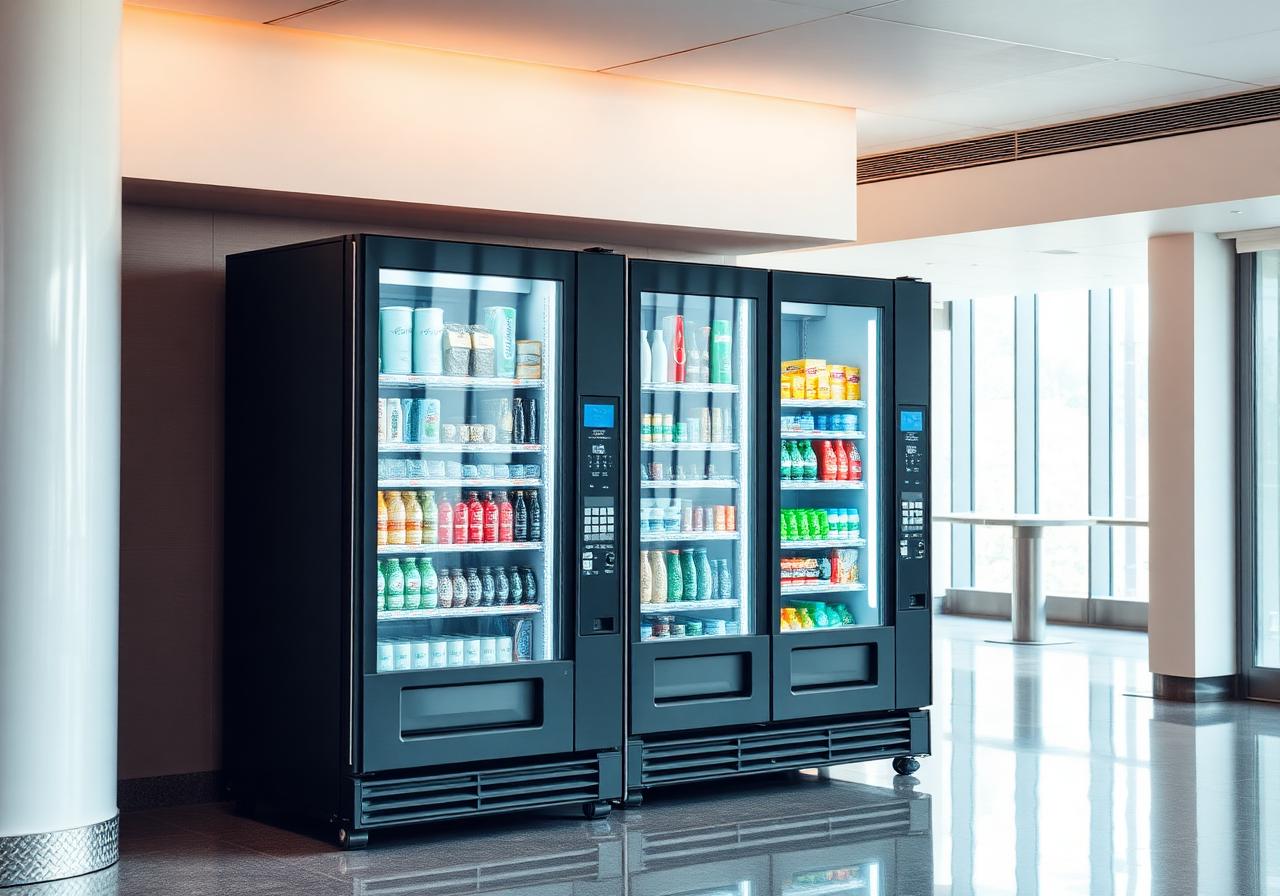
- Vending, routes, equipment — quiet, repeatable income
- Real estate — a single property, on purpose
- Equity in someone else's business, instead of a brand-new one
- Digital things you make once and sell again
- Operators and systems so the business doesn't need you in the room
The deeper question might be: what would you build if you didn't have to be indispensable to it?
A story, not a script
The small business we bought — and what it taught us about freedom.
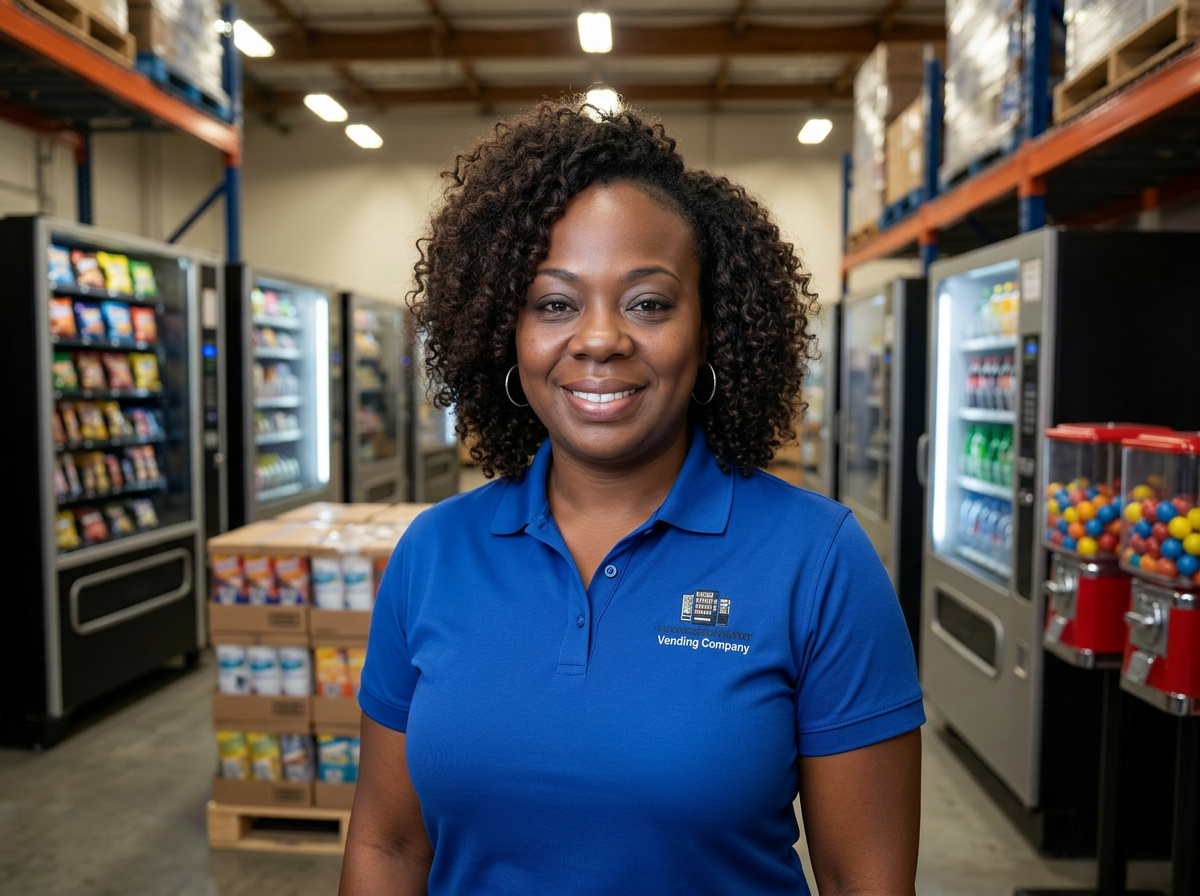
My husband and I bought an established vending route. Not a passion project. A quiet, boring, cash-flowing thing we could actually own. What it gave us wasn't wealth in the way I'd been taught to want. It was margin. And margin, I'm realizing, is what most of us are actually starving for.
- 01
Why we chose something quiet
Boring income is underrated
Quarters and dollars, every single day. Not glamorous. Not on Instagram. Just steady — the kind of income you can actually plan a softer life around.
- 02
We bought it on purpose, slowly
Knowing it before we owned it
Books, routes, vendor calls, honest conversations. We didn't romanticize it. We made sure the numbers told the truth.
- 03
We built it to not need us
Designing it for our nervous systems
Drivers we trust. Bookkeeping in the cloud. Vendor calls handled on a schedule. The business runs whether we're at the kitchen table or on a patio in another country.
- 04
And quietly, it gave us our time back
What ownership actually felt like
A handful of hours a week. An asset we could one day sell. And — more than anything — the quiet relief of knowing our peace didn't depend on a single boss saying yes.
It's interesting because we didn't buy a business. We bought ourselves a different relationship with work.
What we explore together
Evaluate cash-flow businesses
- What makes a good acquisition target — margins, stability, transferability
- Due diligence checklist — operational, legal, relational
- Valuation basics — how to think about what it's worth
- Deal structures — cash, SBA loan, seller financing, partnerships
Specific business models
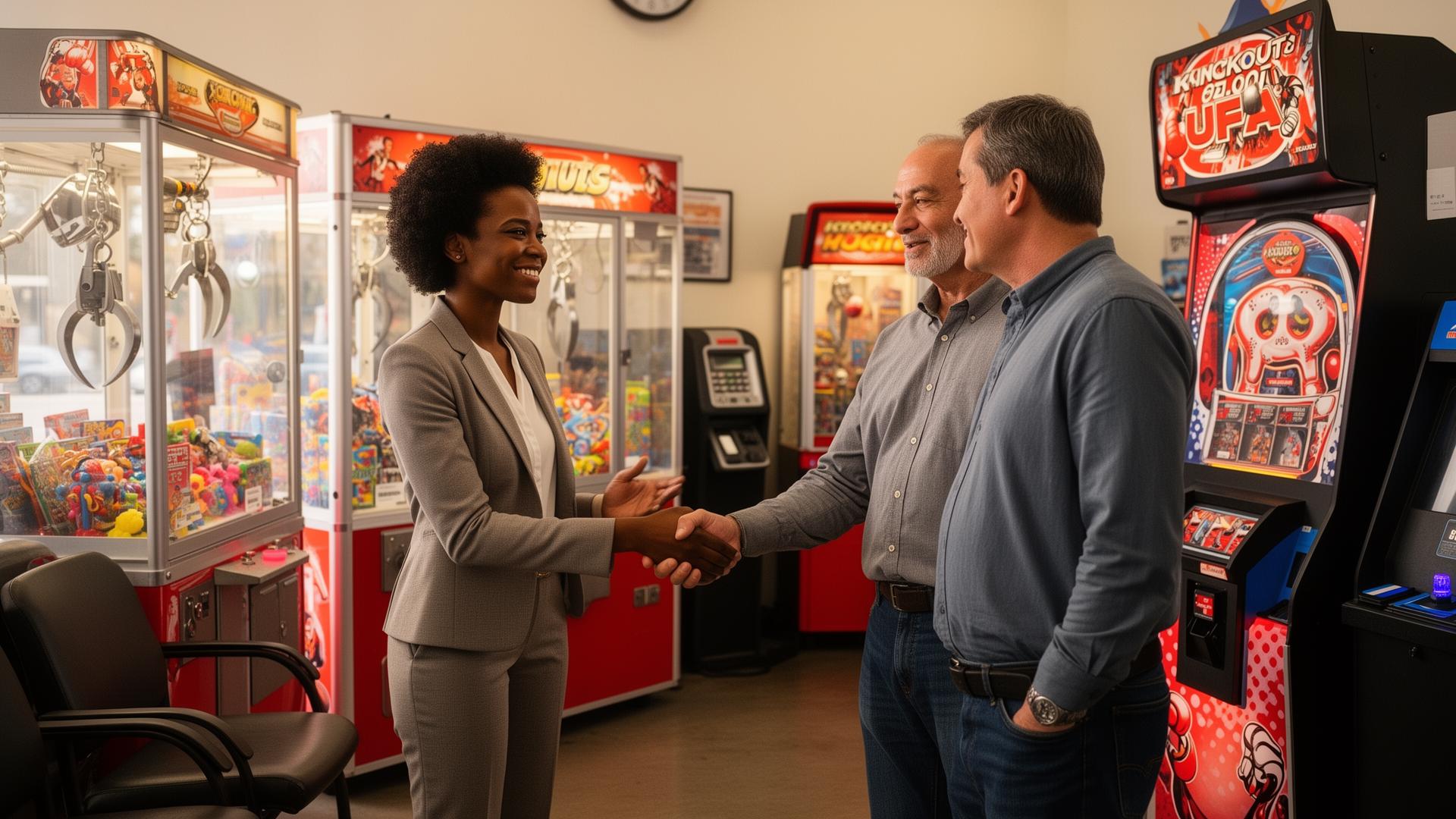
- Vending — our specialty, complete playbook
- Service routes — laundry, ATM, pressure washing
- Rental properties — short-term, long-term, international
- Digital products — courses, memberships, IP licensing
- Franchise opportunities — pros, cons, evaluation
Operate remotely
- Systems that don't require you on-site
- Hiring route managers and operators
- Tech for remote oversight — apps, cameras, reporting
- Vendor relationships that work internationally
Scale or exit
- When to add locations or routes
- When to sell — multiples, finding buyers
- Structuring partial sales — keep some, sell some
What ownership has quietly given us
Cash flow reality
Vending pays in quarters and dollars every single day. Steady, recurring, and predictable enough to plan a life around — without depending on a single client or paycheck.
Remote management from Mexico (and the States)
Drivers service machines on the ground. We review books weekly, talk to vendors as needed. The business has never required either of us to be in the US to run.
Built for a future exit
A vending route is a sellable asset with established multiples. We own something we can hold, scale, partially sell, or fully exit — on our timeline.
Service-to-asset pivot
Not your style? A consultant in our community turned her methodology into a licensed program that other coaches deliver — freeing her time entirely while keeping the royalty.
Available resources
- Business Asset Ownership Assessment— 16 questions, per-category breakdownOpenFree
- Case study: How we bought & operate a 1,000-machine vending route while splitting our year between Mexico and the StatesComing soonFree
- The Vending Business Blueprint— Evaluate, buy, and operate vending routesComing soonPaid
- Business Acquisition Intensive— 90-day support through due diligence, purchase, and setupComing soonPaid
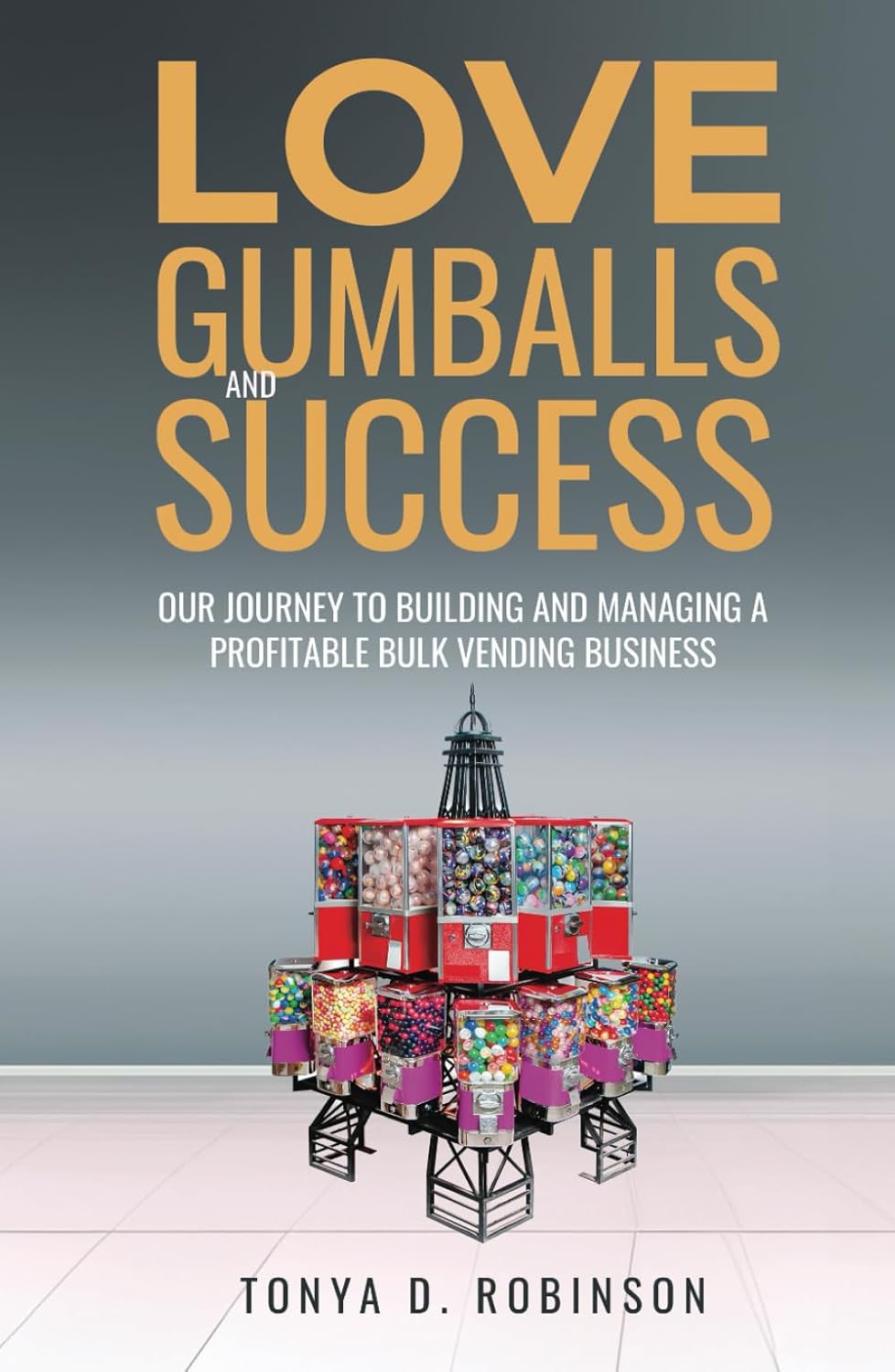
From the founder
Love, Gumballs and Success
Our journey to building and managing a profitable bulk vending business
I wrote the book on the business my husband and I built. It's the unglamorous, real version of acquiring a bulk vending route, building the systems, and running it as an asset — the same playbook this practice is based on.
Get the book on AmazonAn invitation
Continue the Conversation
The lesson here is free. The work happens with support.
Inside the Sovereign Salon, we explore this practice through:
- • Monthly discussions with women walking a similar path
- • Reflection guides to deepen your own practice
- • Practical resources and frameworks
- • Real-life examples from women doing this work
- • A private community where you're seen without performing
You don't have to do this alone.
The Sovereign Letters
Letters for women choosing peace over performance.
Small weekly practices. Gentle reminders. Questions worth sitting with. Tiny shifts that, repeated over time, become a different way of living. Arriving only when there's something real to say.
Your inbox is sacred. We respect that.